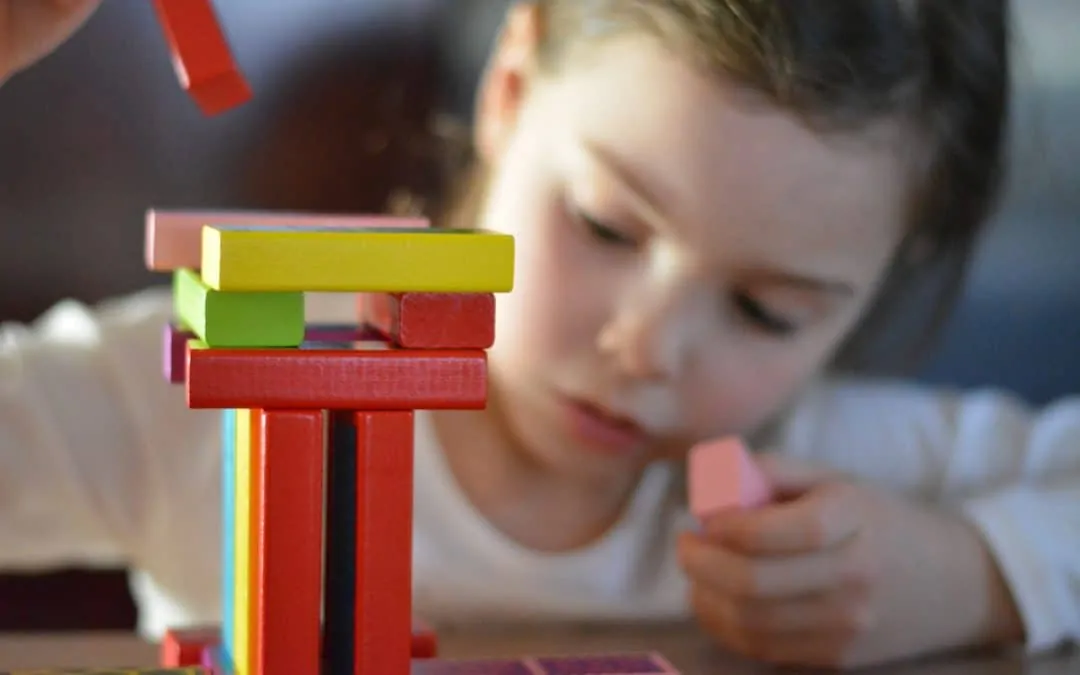
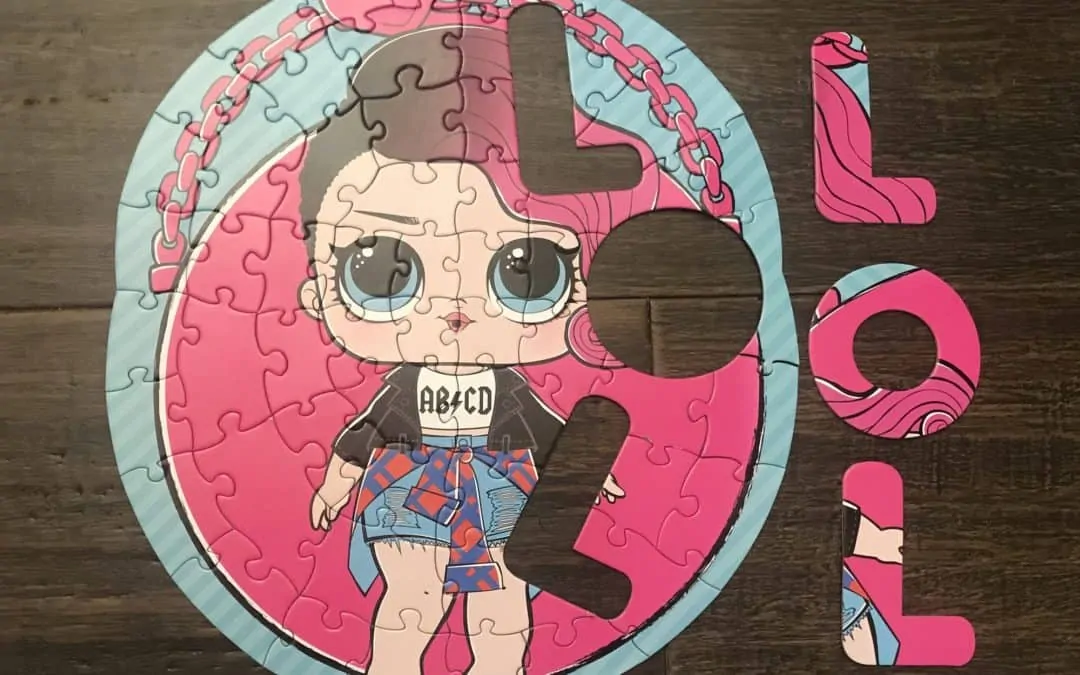
As a mother and an occupational therapist who worked with hundreds of children over the years, I can testify that block play skills have many crucial benefits in early childhood development. The significance of playing with classic blocks is overlooked. Nowadays, children have access to high tech toys that quickly attract their interest and provide instant gratification. However, the countless number of early childhood education specialists believe in the value of building with blocks.
History of Blocks
There are mentions of the block play being used as educational tools in the late 1500s. In the early 1800s, block construction was first and officially used as part of early education by Fredrich Frobel, the German pedagogue. Frobel designed materials that encouraged educational play for young children. He believed that constructing and rearranging created new possibilities for play and inspired children to make direct connections to the world around them. Many of Frobel’s ideas are used up to this day in preschool classrooms and therapy sessions.
Classic Wooden Blocks
Back in the day, the blocks and various building materials consisted of wooded objects. In our present-day, the preschool building materials are made of many media, such as plastic, rubber, and foam. There is something to be said about the classic wood playing pieces. They are more durable, have substantial weight, stack higher, and last longer. Anytime I work with children on simple block construction, I do prefer working with wooden materials, as they are a natural manipulative, and it brings back more of the meaningful old school block play.
Undoubtedly, the new and improved block materials are valuable, and our preschoolers need to have access to blocks such as Legos, Duplos, and Magnetic Tiles. Some other types of blocks that are less popular yet are fundamental are a variety of connecting and resistive blocks. Toddlers, preschoolers, and kindergarteners enjoy great educational benefits from playing with blocks. Every child should have access to a wide array of unit blocks that gear towards their interests.
At
times, child’s interests should be cultivated and encouraged if the child does
not demonstrate particular interest. Having many options to choose from allows
children to come up with inventions of their own, or imitating designs and
copying designs they have seen in the world.
Here are the reasons why block play is essential for children:
Block Play Develops Fine Motor Skills
Playing with a variety of blocks helps develop grasping and visual-motor skills in children. In other words, abilities for the use of small muscles of the hand and fingers, and the coordinated use of hands and eyes for task completion. Fine-motor skills are essential for drawing and writing. Imitating and copying block designs will support copying and writing letters as the child gets older. Resistive blocks, like unifix cubes and bristle blocks, especially help strengthen little fingers.
As hands and fingers strengthen, it will make it possible for children to grasp writing tools efficiently, like crayons, markers, and pencils. With the use of hands and fingers when playing with blocks, children will develop a robust fine-motor foundation.
Bristle Blocks – excellent for strengthening little fingers
Block Play Increases Attention Span
When block play is part of the child’s day, it will boost the child’s attention span. By focusing on a creative task over time, such as engaging in building structures out of blocks, children will increase their mental capacity to sustain concentration. Focusing on activity is a critical skill to learn new information. The more closely the child attends to the task, the better it will be retained. Involving young children in block play is a practical approach to enhance attention span and focus for more learning to come.
Block Play Enhances Problem Solving
Young children enjoy problem-solving when building with blocks. Children discover that many parts become whole; they learn how to assemble blocks; they recognize challenges and rearrange their design; they organize a plan for new construction possibilities. They implement changes and assess the outcome. Unquestionably, exposing young children to a variety of block play will expand their problem-solving skills.
Block Play Fosters Mathematical Abilities
Block play establishes early math concepts that are used in everyday life. Children learn to identify shapes, parts, and wholes. They are introduced to number sense, more and less, learn to count, and work on one-to-one correspondence. Children enjoy determining the length and size of their creations; they complete measurements, how symmetrical and balanced their structures are and decide how many of a particular block they need. Children create patterns, sequences, they sort, group, and classify blocks in their logical ways. Altogether these mathematical concepts are essential to developing in early childhood, and block play is an excellent way to promote math skill education.
Blocks are small, individual pieces that children can put together, take apart, and reconfigure in endless ways. Such a free-form style of playing nurtures the ability to harness the power of imagination in creating and designing structures. Creativity expands when children have opportunities to play, and when they are encouraged to build independently to express their imaginative abilities. Furthermore, creativity can be nourished when wide ranges of blocks are brought into the mix to stimulate new and innovative work.
Block Play Increases Self-Esteem
A child’s self-esteem can skyrocket when they see they were able to create something out of seemingly nothing. Block play helps children realize that they have unique ideas that can be expressed in the real world. The feeling of achieving something while building with blocks will increase a child’s confidence and self-esteem going forward in life. It is crucial to praise your child’s efforts. Without a doubt, honest and specific praise is vital to building positive self-esteem.
Block Play Boosts Social and Emotional Skills
Playing with blocks helps with social and emotional development as well. Block play will get children to work together and negotiate what and how to construct a particular design. Children will learn how to take turns, share blocks, and cooperate with other children. This experience could lead to developing new friends and establishing positive and rewarding relationships. Besides working together with others, children express their feelings, they become aware of other people’s opinions, and they learn to manage their emotions.
Block Play Enriches Communication Skills
Block play opens up a world of new communication experiences for children. While constructing designs, there are endless opportunities for further conversations. This experience can lead to discussions about the project. It will also help to develop new vocabulary and promote communicative expression. Also, children will learn to identify specific attributes of blocks; their length, weight, height, color, texture, and other descriptive features. When a child interacts with other children or adults while playing with blocks, they can co-create an entire story together.
Classic Plain and Colored Block Wood Pieces
Block Play Grows Gross Motor Skills
Playing with blocks can help with a child’s gross motor development. When children play with large blocks on the floor, be they wood blocks, bricks, or something similar, they are working their gross motor skills. Playing with large blocks in this way promotes squatting up and down, the rotating trunk from side to side, coordinating both sides of the body, and moving arms across the midline of the body to complete many versatile movement patterns. Thus, using large muscles for playful block activity will improve the control and quality of movement.
Playing with blocks has been found to nurture the development of spatial awareness within children. This type of play involves constructing structures, where spatial relationships have to be understood. Children also learn to determine when something is incomplete. They can figure out different directions, how far objects are from one another, different shapes, changes in the distance of things, and more. In short, anything they perceive visually gets organized within their minds in a way that makes sense of what they are seeing.
Block Building Developmental Milestones
General Age Level for Block Building Skills:
1 to 2 years old toddlers enjoy to explore with a variety of block textures and sizes, and they like to experiment with holding, carrying, dropping, loading, and unloading blocks in and out of containers. They can build 3-4 block towers.
2 to 3 years old toddlers enjoy lining up blocks horizontally and stacking blocks into vertical towers. They can stack an eight-block tower.
3 to 4 years old preschoolers elaborate on building their stacks and rows, they build walls, bridges, trains. They can stack a ten-block tower and reproduce block designs.
4 to 5 years old preschoolers build intricate block structures that include balance, symmetry details, and patterns. They can create structures such as steps and pyramids.
5 to 6 year-olds enjoy creating involved designs. They create multifaceted structures with an assortment of materials while using their imagination, as well as following a specific construction plan. Children sort, match and assemble with great detail to create their masterwork.
Conclusion
In summary, block play is one of the most valuable learning experiences children can savor during early childhood. Everything from improving fine-motor skills, increasing creativity and self-esteem, to expanding math and communication skills, block play provides significant benefits that support numerous aspects of a child’s development. Please take a moment and check what sets of blocks you have available and how you can use them with your child to nurture their growth. Before you know it, you will see the fantastic benefits described here. Don’t overlook this critical skill as part of early childhood development!
If you enjoyed this blog post, please share it with a friend!
*Kids Groove and Grow is a participant in the Amazon Services LLC Associates Program, as an affiliate advertising program designated to provide means for sites to earn advertising fees by advertising and linking to Amazon.com.
Puzzles can be an incredibly valuable learning tool for young children. Toddlers and preschoolers experience the many benefits of puzzles for child development as they expand skills in numerous areas while engaged in puzzle-solving games. As both an occupational therapist and a mom, I have spent countless hours working with children on a wide variety of puzzles. Puzzle play offers significant learning advantages, making it much more than a simple pastime.
To begin with, solving puzzles is a powerful brain workout that helps children strengthen concentration, focus, and problem-solving skills. Beyond that, puzzle play enhances visual-perceptual, fine-motor, and cognitive abilities. Equally important, children gain a boost in self-esteem and satisfaction when they successfully complete a puzzle—a rewarding bonus that reinforces persistence and effort.
Fine Motor Skills Development
A child develops fine motor skills by using precise movements to place puzzle pieces in the correct spot. One of the key benefits of puzzles for child development is that children must pick up, flip, turn, twist, pinch, and grasp puzzle pieces, especially when the parts are small or have knobs. They improve their pincer grip when moving pieces with knobs and strengthen finger dexterity when handling a variety of puzzle pieces. As a result, preschoolers build the small muscles in their hands and fingers, which leads to enhanced grasping skills used in writing, drawing, and playing musical instruments.
In the same way, puzzles also improve hand-eye coordination. Preschoolers spend valuable time practicing how to coordinate what their eyes see, how their brains process the information, and what their hands can do. When playing with puzzles, children position and move pieces, learning exactly what fits and how. They coordinate eye movement with hand action, which boosts their hand-eye coordination skills. This ability is one of the most critical benefits of puzzles for child development, as it supports essential life and academic skills such as writing, reading, self-care, and playing sports.
Increased Concentration
Putting puzzles together requires a child’s full attention and focus. One of the key benefits of puzzles for child development is that they provide an exciting opportunity for children to concentrate on a task over time. Puzzle play offers a mental challenge, as children work through each step in order until the puzzle is complete. They use higher-level thinking skills to accomplish a goal and stay engaged until they experience the reward of completion. For maximum engagement, puzzle selection should match each child’s developmental abilities and provide just the right amount of challenge.
Equally important, choosing the right puzzles further supports the benefits of puzzles for child development by fostering confidence and perseverance. Puzzles that are too difficult may discourage participation, so it’s important to consider a child’s age, skill level, and interests when selecting the most motivating options. Appropriately chosen puzzles will fully engage children and encourage them to perform their best work. By including regular puzzle play in early childhood education, children have frequent opportunities to strengthen focus, enhance perseverance, and improve concentration skills.
Improved Self-Esteem
As a parent, there is nothing better than seeing your child succeed in the completion of a task. When a child figures out a puzzle and places all puzzle pieces where they fit, he/she feels accomplished and proud. Puzzle play helps children realize that they can solve puzzles that might seem difficult at first. With a little bit of patience and planning, children can learn to complete puzzles quickly. Finishing a hard puzzle is a huge achievement that will skyrocket the child’s self-esteem. Mastering puzzles builds healthy confidence in young children and leads to increased motivation for further skill aptitude.
Improve Problem-Solving Skills
A variety of different puzzles highlights the many benefits of puzzles for child development, especially in expanding problem-solving skills. Even the simplest puzzles put toddlers into the mindset of wanting to achieve a goal. When children solve puzzles, they create and test strategies to figure out how the pieces fit in the right places. They sort and group puzzle pieces by shape, size, color, and other features. They also decide on a starting point—whether that’s the corner, side, or middle—and identify how to connect the pieces.
Moreover, puzzle play reinforces the benefits of puzzles for child development by encouraging children to turn, flip, position, move, and twist pieces to make them fit. Working on challenging puzzles becomes an excellent mental workout, improving both problem-solving and reasoning skills. This solution-oriented mindset is a powerful habit for children to practice early, laying a strong foundation for future learning and critical thinking.
Improve
Visual-Perceptual Skills
Working on puzzle play offers powerful benefits of puzzles for child development, particularly in advancing visual-perceptual skills. Through puzzles, children learn to organize what they see with their eyes and create meaningful sense from it. Importantly, visual-perceptual skills are not the same as visual acuity. While assembling a puzzle, children discover that separate pieces form a complete picture. They also notice differences and similarities based on size, color, and shape.
In addition, puzzle play supports the benefits of puzzles for child development by helping children recall visual traits and sequence pieces in the correct order. As they manipulate puzzle parts, they learn that a shape remains the same even when rotated. Furthermore, they practice locating puzzle pieces in a busy background, which strengthens their ability to focus on crucial visual information. Since visual-perceptual skills are essential for academic success—such as reading, math, writing, and copying from the board—providing abundant puzzle play opportunities will consistently foster growth in this area.
How to pick the most appropriate puzzles
There is a rich assortment of puzzles on the market. They have various degrees of complexity based on the number of pieces, size of the parts, and designs. It is necessary to assess a child’s skill level and interests, as well as a child’s age to pick appropriate puzzles. Start with simple puzzles that are easy to complete and then gradually work the way up to more complex puzzles.
Types of puzzles:
Inset Knob Puzzle
Inset puzzles with jumbo knobs, 3-5 pieces, matching picture underneath
· Every puzzle piece has a jumbo knob for easy grasp to place a piece in the proper location.
· Children use the sample picture for guidance to put together a puzzle.
· Best for children 3 to 6 years old.
Jigsaw 24 Piece Recycled Paper Table Puzzle
Jigsaw 60 Pieces Table Puzzle
Jigsaw recycled paper table puzzles with more than 60 pieces are generally designed for children 5-years and older
Jigsaw 60 Piece Recycled Paper Table Puzzle
Jigsaw 100 Pieces Floor Puzzle
Jigsaw recycled paper table and floor puzzles with more than 100 pieces are generally designed for children 6-years and older.
Jigsaw 100 Piece Recycled Floor Table Puzzle
Fine Motor Puzzles
are designed for children 3 to 6 years old to assist with specific fine motor practice.
Fine Motor Puzzle
Conclusion
Puzzle play is an essential educational tool in early childhood development. Beautiful and engaging puzzles allow children to enjoy the many benefits of puzzles for child development while they learn critical skills through play. Assembling puzzles is not only fun but also a brain-boosting activity that supports problem-solving abilities, increases concentration, and builds confidence.
Additionally, puzzle play enhances fine-motor skills and strengthens visual-perceptual skills, both of which are essential for future academic success. These abilities help children excel in reading, math, and writing as they progress through school. Ultimately, investing in enjoyable family time with puzzles encourages children to engage in this valuable activity frequently, leading to long-term developmental rewards.
If you enjoyed this blog post, please share it with a friend!
All the information we
receive about the world comes to us through our senses. Sensory integration is
the process in the brain that allows us to take in information from our body
and environment through our senses, organizing all the various stimuli, and effectively
using all this information to plan and execute appropriate responses.
We receive this
information from the sensations of sight, hearing, touch, smell, taste, as well
as our secret senses, movement, and balance-vestibular sense, and joints and muscles
called proprioception. Normal sensory functioning allows us to experience and
respond to situations in a meaningful way. It occurs automatically in most
children and adults. It happens unconsciously or with little attention or
effort.
When our brain organizes
all the countless bits of information that enter our mind appropriately, we can
respond and interact well within our environment. We feel protected, we enjoy
our surroundings, and we have the inner drive and motivation to participate in
daily tasks. Sensory integration is the underlying foundation for academic
learning and appropriate social behavior.
Five Senses and Beyond
Vision: Visual processing refers to the brain’s ability to interpret visual information from the world around us. Interpreting stimuli through the eyes, including peripheral vision and acuity, awareness of color and pattern
Hearing: Auditory processing refers to the brain’s ability to interpret auditory information from the world around us. Interpreting and localizing sounds and discriminating background noises.
Gustatory: Taste processing refers to interpreting food tastes for our enjoyment.
Touch: Tactile processing refers to the brain’s ability to interpret touch sensations. Interpreting light touch, pressure, temperature, pain, and vibration through skin contact.
Smell: Olfactory processing refers to the brain’s ability to interpret odors.
Proprioception: Proprioception refers to the brain’s ability to interpret body position sense and control for force and pressure. Interpreting stimuli originating in the muscles, joints, and other internal tissues to give information about one body part in relation to another.
Vestibular: Vestibular processing refers to the brain’s ability to interpret balance and motion. Interpreting stimuli from the inner ear receptors regarding head position and movement.
Sensations nourish the
brain. “You know that food nourishes your body,
but it must be digested to do so. You can think of sensations as food for the
brain; they provide the knowledge needed to direct the body and mind. But
without well-organized sensory processes, sensations cannot be digested and
nourish the brain.” (Ayers)
Our children are
programmed to enjoy experiences that advance the development, and they
naturally seek experiences that nourish their brains. It is why our children
enjoy being rocked and hugged, this is why they like running, jumping,
climbing, swinging, sliding, exploring playground equipment, playing and
building with sand, clay, and paint. All these sensations nourish the young
brain, and it is fun to explore, partake, and develop sensory integration.
“Children are designed to enjoy activities that challenge
them to experience new sensations and develop new motor functions.” (Ayers)
Sensory integration is
when all our senses are organized and work well together to have meaningful
encounters with the world around us. It plays an essential role in child
development. Sensations have a powerful impact on a young child and provide
meaning to experiences. All children must boost sensory integration by
interacting with many things in the world.
Children that are
happy, well-coordinated, and enjoy ever-challenging childhood tasks are the
children that organize their sensations effectively; therefore, they have
uniquely well developed sensory integration. Their brain produces valuable body
responses and valid perceptions, emotions, and thoughts.
“Sensory integration sorts, orders, and eventually puts all
sensory input together into a whole-brain function.” (Ayers)
Some children might
misinterpret integrating sensations. Simple activities might be challenging,
learning might be difficult, and some events might trigger undesired behaviors.
Without well
functioning sensory integration, challenges in learning, development, or
behavior may be evident. “Reading, writing, and
arithmetic…are extremely complex processes that can develop only upon a strong
foundation of sensory integration.” (Ayers)
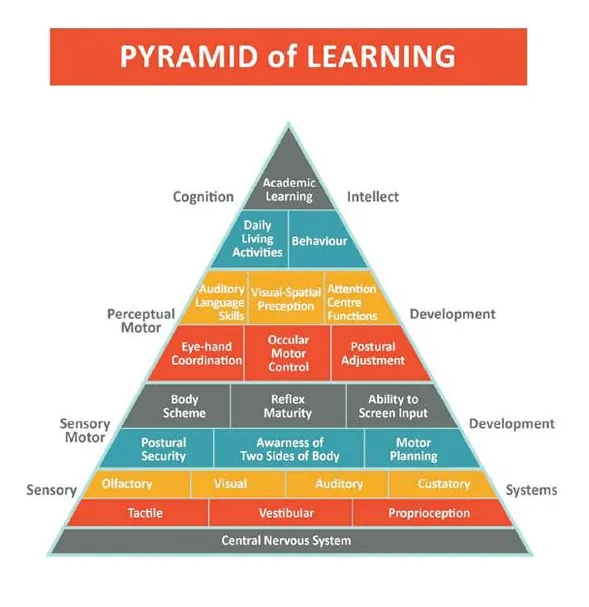
Pyramide of Learning, Taylor and Trott, 1991
Creating playful and
sensory-rich environments and activities will foster healthy growth. Children
develop skills through play, and a mix of complex experiences will help them
develop enhanced abilities to face challenges in life.
As a parent, when you become aware of the process of sensory integration in your child, you will be better equipped to notice a potential thread or help your child overcome challenges, which will lead to a more regulated child and happier family.
If you enjoyed this blog post, please share it with a friend!
References
Ayers, A.J., (2005). Sensory Integration and the Child, Understanding Hidden Challenges. Western Psychological Services.
The Pyramid of Learning. Taylor and Trott, 1991, cited in and reprinted from How does your engine run? (p. 4) by M.S. Williams & S. Shellenberger 1994, Albuquerque NM USA: Therapy Works. Copyright 1991 by Taylor and Trott. Permission granted for reprinting for educational purposes.
Gross motor skills are the foundation of physical development and follow a sequential progression of growth. When our babies first start to move, they learn to lift their heads, roll, sit, crawl, stand, and eventually walk. This development follows a top-down (head to toe) and center-outward (tummy to limbs) pattern. Large muscles—like those in the trunk, shoulders, and hips—develop first to provide the strength and stability needed for the smaller muscles of the hands and fingers to follow. Activities like jumping, running, climbing, catching, and throwing build these core skills, preparing preschoolers for fine motor tasks such as drawing, writing, and cutting with scissors.
Children acquire fine-motor skills more quickly and successfully when they have a strong foundation in gross motor skills. Shoulder strength, coordination, and stability will support the forearm, wrist, and hand, development in children. If a child has a base from which to work, the use of hands and fingers will develop naturally, enjoyably, and skillfully. The child will be ready to progress with the ability to use hands and fingers and complete higher-level hand-eye coordination tasks.
A weak gross motor foundation will affect a child’s fine motor skill development. When the trunk and shoulder muscles tire, a child quickly loses interest and becomes frustrated in desktop activities. Solid shoulder control and trunk stability will provide the necessary stamina and endurance to sustain the use of hands and fingers for tasks such as building with blocks, turning pages in a book, and coloring. Focusing only on the use of hands and fingers without addressing the strengthening and coordination of the core, upper body, and shoulder muscles will cause fatigue, irritation, and impatience during manual school responsibilities.
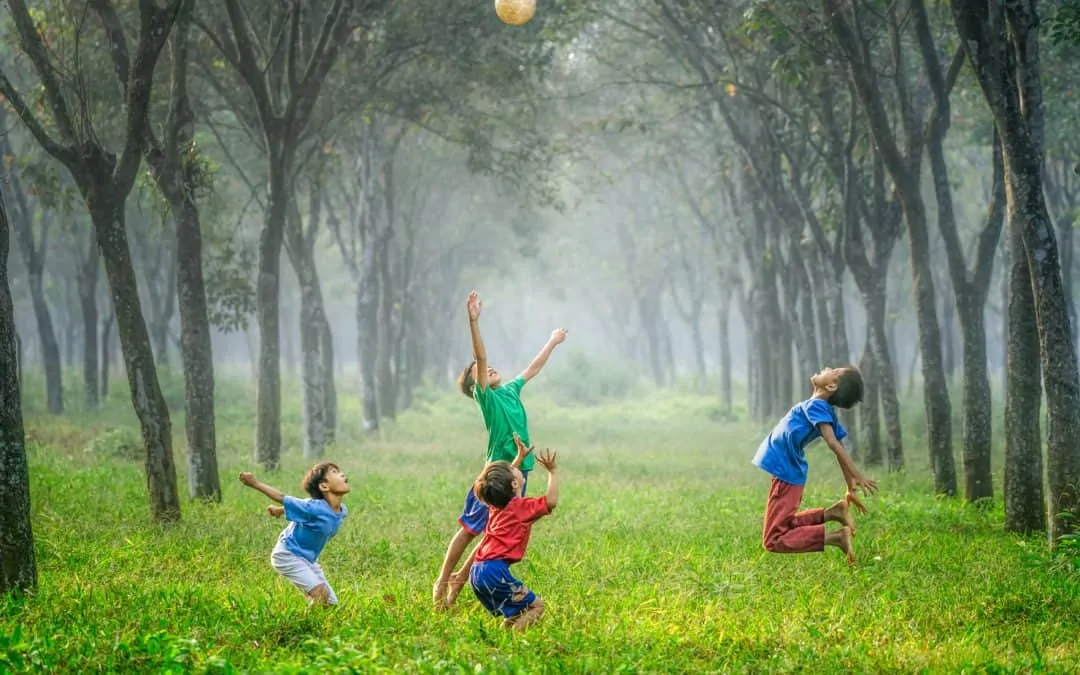
Naturally, our toddlers and preschoolers are programmed to enjoy a multitude of physical activities that contribute to their growth. Exploring playground equipment, riding a tricycle, and rearranging small furniture around the house is an enjoyable and constructive developmental experience. Spontaneous children who investigate their surroundings have the benefit of their sedentary peers. When babies and toddlers move around frequently, rearrange, and experiment with the world around them, they navigate through obstacles and learn new skills.
Youngsters who are mostly observers throughout their early years are often cautious and carefully calculate their movement risks. They will need additional encouragement and practice to feel comfortable to perform some physical tasks that seem effortless to their classmates. With patience and kindness, most children will eventually enjoy gross motor activities. It is essential to nurture physical competencies in the young child, so she or he feels confident and positive about themselves throughout their school life.
Some children are born with challenging muscular or coordination conditions or demonstrate temperament characteristics that need to be addressed by specialists. Specific diagnoses require specialized therapeutic intervention to improve the motor function of a child. However, some children might refuse to play or complain after physical activities. If this persists, it is best to talk to your pediatrician.
It is beneficial to provide abundant movement opportunities for young children. Toddlers and preschoolers, especially enjoy movement driven learning. Some children might need extra support to nurture the development of essential gross motor skills, and early childhood is the perfect time to make sure our children have plenty of daily movement time.
Research suggests that children between 3 and 5 years old need at least 3 hours of physical activity per day. Our preschoolers continue to work on perfecting their gross motor skills. They are not yet proficient and continue to develop more complex physical movements daily.
Preschoolers need a combination of structured and unstructured movement opportunities to enhance their strength, coordination, and endurance.
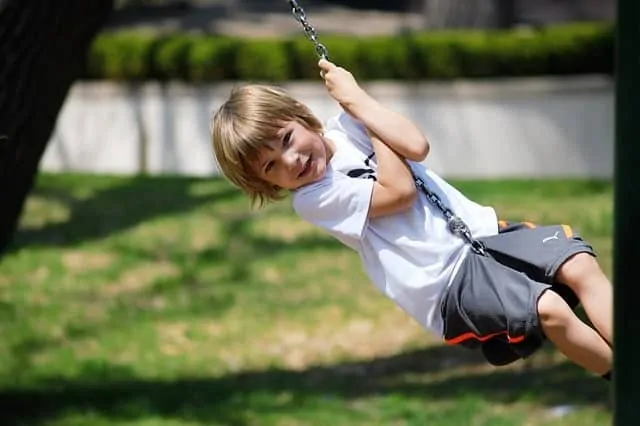
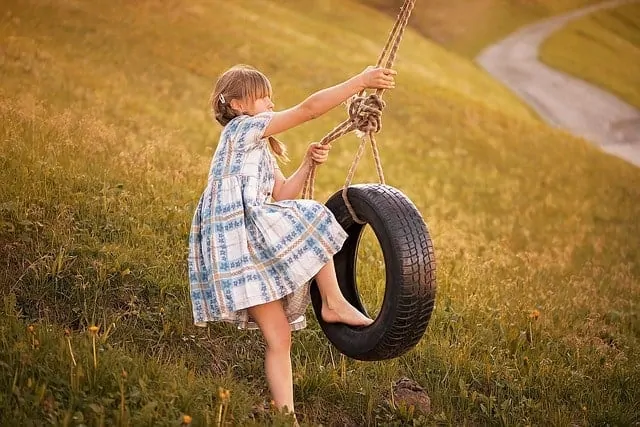
Unstructured physical time would include exploring playground equipment, such as running around, climbing, swinging, and going down the slide. The indoor motor activities consist of playing, moving, and carrying around large items such as chairs, boxes, and blocks that require the use of both arms to pick up. Pushing and pulling with both arms and using both hands to carry large objects is vital. Squatting down, reaching, crawling, dancing, and walking up and down the stairs are other examples of unstructured gross motor activities that kids love to practice at home.
The structured physical play would include games, organized sports, obstacle courses, and specific skill practice drills inside or outside. Some examples of structured gross motor activities would include;
Gross Motor Skills Games
Gross motor skills games for preschoolers—such as bean bag and balloon toss, animal walks (like walking like a bear or leaping like a frog), hopscotch, races, Follow the Leader, and Duck Duck Goose—help build strength, balance, and coordination through active movement and play.
Organized preschool sports like soccer, t-ball, cheerleading, bowling, floor hockey, and football are great for developing gross motor skills, coordination, and teamwork in young children.
Obstacle courses for preschoolers are one of the most effective gross motor activities to build physical confidence and coordination. Navigating through a variety of obstacles and changing body positions strengthens large muscles, balance, and motor planning.
Some fun and skill-building ideas include:
Run, drop, and roll sequences
Crawling through tunnels, jumping over hurdles, walking on a balance beam
Crawling under and climbing over obstacles
Walking on uneven surfaces
Carrying large objects with both arms
Gross motor skill practice helps build strength, coordination, and body awareness in young children. These essential preschool movement skills support overall physical development and prepare kids for active play and classroom readiness.
Key activities to focus on include:
Throwing, catching, kicking, and rolling a ball
Jumping, running, marching, hopping, climbing, balancing on one leg, skipping, and galloping
Riding a tricycle or scooter to improve coordination and core strength
Conclusion
Building and mastering gross motor skills in early childhood will have a significant favorable influence on children’s confidence, learning, and independence. Acquiring a robust gross motor foundation will provide children with academic readiness for more complex learning tasks. Children will quickly pursue and progress with higher-level hand-eye coordination tasks such as grasping pencil and writing. Little hands and fingers will be ready to take on increasing school demands and will develop naturally and enjoyably.
If you like this post, please share it with a friend!
Most children attend preschool between the ages of three and five — a key time for building fine motor skills for preschoolers. Some programs even accept children as young as two or two-and-a-half, depending on their approach. These early years are often referred to as the foundation of early childhood education.
It is a critical time to gain knowledge and preparation for kindergarten. It is such an exciting developmental time. Preschoolers enjoy learning, and they love to play and explore. They are active and enthusiastic about the world.
They are curious, observant, and inquisitive. Preschoolers learn through play, and they are like sponges; they soak up everything around them. It is fun to watch kids through their eyes and observe their colorful imaginations and creativeness. As preschoolers skills blossom, their new abilities expand, and their competence grows in many areas of development.
Growing Through Fine Motor Play
I love working with preschoolers — they are truly my favorite age group. During these early years, children demonstrate enormous growth, and we get to witness how their skills advance so quickly. It’s a time when learning is fun, joyful, and full of curiosity. Providing plenty of interactive learning opportunities is key to future academic success. This is such a precious stage in a child’s life, and as parents and educators, we must use it wisely. As an occupational therapist, I focus on building fine motor skills for preschoolers by offering a rich assortment of hands-on activities. These experiences help ensure their little hands and fingers have a strong foundation for the more demanding kindergarten tasks ahead.
What are the best fine-motor preschool activities? There is a large amount of awesome fine-motor activities and plenty of inspiring ideas on the web, but which ones will give our little ones the most benefit? I evaluated each activity and the advantages it carries. These simple yet super valuable activities can be practiced in the preschool classroom and at home multiple times and anytime.
Play-dough
Knead, roll, twist, squeeze, poke, and pinch
Hide small treasures and dig it up with finger (buttons, coins, beads)
Make shapes; circles, crosses, squares, rectangles, and triangles
Create make-believe, for example, food items, pizza with little cheese strings and little pepperonis, donuts, cupcakes, roll a perfectly round apple, and many more themes such as creating different animals and seasonal fun such as leaves, snowmen, and flowers.
Make letters, write letters with pencil or press with an index finger
Make numbers, write numbers, and practice one-to-one correspondence by rolling small balls to match the number
Explore play-dough mats to add on to the fun (i.e., letters, numbers, shapes,
Use a variety of tools to engage with play-dough, such as; safe knife, roller, spoon-fill, and scoop, use play-dough molds/cutter stencils, texture tools, scissors, stamp, squeezing tools, extruder tools and pencils
Snip/cut play-dough
Create imaginative creatures with new media such as pipe cleaners, spaghetti noodles, glitter, gems, beads, and more.
Make your play-dough, be creative with color and scent to provide an enhanced sensory experience
Manipulating Small Objects
Placing pennies in an opening of a plastic container
Glue and string buttons, practice unbuttoning and buttoning
Solving puzzles is a brain-boosting goal-oriented task
Puzzles have various degrees of complexity based on the number of pieces, size of the puzzle pieces, and design. Start your child with simple puzzles that are easy to complete and then gradually work the way up to more complex puzzles.
Start with an easier puzzle and progress to more motivating and challenging puzzle
Practice picking up and placing scissors in hand with a thumb-up position, independently
Initially snip non-paper items such as; straws, play-dough, slime, spaghetti, strings, etc.
Start cutting across construction paper strips 2-3 inches wide then cut across the paper
Practice cutting on straight lines, then cutting out geometric shapes, variety of different shaped lines
Paste and glue activities
All these activities are versatile fine-motor activities. They help children with hand strength, muscle control, finger dexterity, in-hand manipulation, grasp, hand-eye coordination, touch processing, tool use, coordinating two hands together, visual-perceptual skills, focus, and visual attention. Preschoolers love engaging in fine-motor tasks, and opportunities to soak up all the benefits are endless.
If you enjoyed this blog post, please share it with a friend!