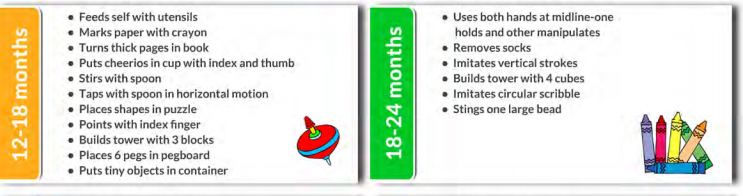
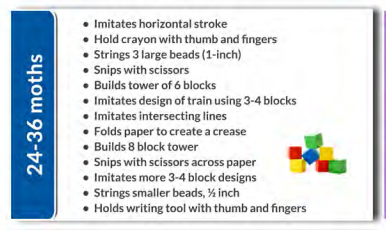
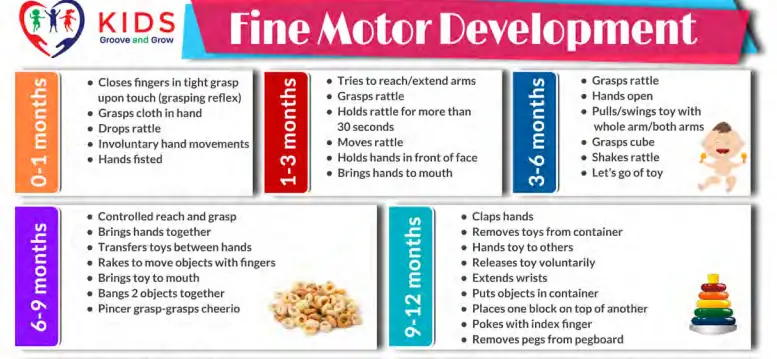
The preschooler is a child from three to five years old. Preschoolers enjoy learning, playing, and exploring. They are active and enthusiastic about the world. They are curious, observant, and inquisitive. Preschoolers learn through play and as their skills, blossom and they reach milestones in many areas of development.
Through my two decades of working with young children, I have had the opportunity to try out a great multitude of toys. I have thoroughly assessed the toy benefits based on age, appeal, safety, and durability. Furthermore, I have examined if a child can play with the toy in multiple ways, if the toy appeals to several senses, promotes problem-solving, and boosts imagination. Most importantly, does the toy include ways for children to use their hands and fingers to help build the small muscles and coordination?
Below is a list of 10 educational toys for preschoolers.
1) Full and Pop Tubes are colorful interactive stretch tubes. Kids bend, build, connect, extend, spin, and play with tubes in multiple ways. They create imaginative play scenarios. Pulling, pushing, and manipulating tubes supports upper body coordination, strengthens hands, and fingers. Tubes are visually pleasant, tactically stimulating, and provide unique sounds. Tubes truly offer a bundle of fun!
2) Melissa and Doug Bead Sequencing Set includes colored wooded beads, dowels, and pattern cards. Children stack and build matching patterns while they improve their fine motor and visual perceptual skills. Bead Sequencing Set encourages learning colors, patterns, shapes, and counting.
3) Stacking Peg Board Set Toy is well-known and loved among occupational therapists. It encourages grasping skills and hand-eye coordination. Children work to aim and exert appropriate pressure to insert pegs. It is an excellent tool for fine motor and visual perceptual skills, sorting, color recognition, counting, and creativity. Children enjoy making birthday cakes, stacking towers, and more. The pegboard set is engaging and entertaining.
4) Melissa and Doug Lacing Beads is a brightly colored wooden lacing bead set for little hands. Initially, young preschoolers struggle to figure out how to string beads. This activity provides excellent fine-motor practice for both hands. Wood beads provide enhanced weight awareness for little fingers, as they are heavier than plastic—an engaging educational playset.
5) Fat Brain Toys Squigz is suction cup builders in versatile shapes and colors. Squigz attach, flex, stick together, or pop apart. Fun to build and create unique designs. Fantastic for hand strengthening, engaging to the ears and eyes. Innovative, durable, safe, and entertaining.
6) Button Art Set is a match and snaps chunky button activity board. Children work on matching colored buttons to complete eye-catching pictures. It is a delightful play to grow fine motor and visual perceptual skills. Fun and unique learning toy.
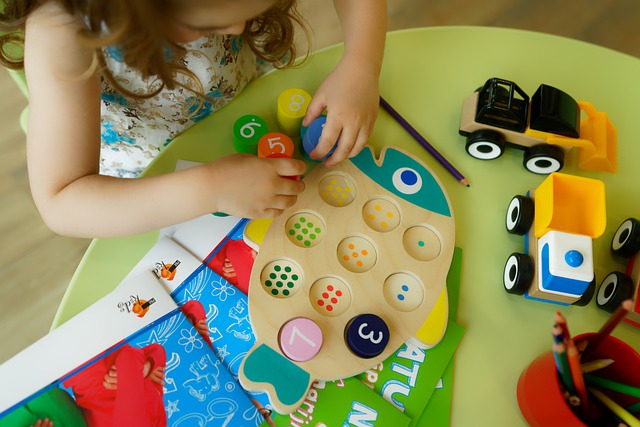
7) Kids Wood Sorting Puzzle Toy is one educational toy packed with a lot of great learning. This fun set provides opportunities to develop early math skills and use hands with eyes in a coordinated manner. It boosts problem-solving, cognitive skills, and visual-perceptual skills.
8) Picasso Magnet Tiles are every preschooler’s favorite toy. This building set provides endless creative construction play for young children. Creating masterpieces with magnet tiles is fascinating. Magnet tiles are excellent for imaginative and creative play. It is endless learning fun! (Picasso are exceptional quality magnet tiles).
9) Magnetic Drawing Board is a fun way to practice drawing, writing letters, and stamping skills. Children create artwork with stylus and shape stamps. They love moving sliding eraser to clean the board—an enjoyable tool to expand prewriting skills.
10) Magnetic ABC Letter Writing Board boosts uppercase letter writing skills. Provides visual cues for correct letter formation, writing top to bottom and left to right. Preschoolers work on holding the stylus pen with a finger grasp while they trace letters by pulling the beads up to the surface. Then they push back the dots with a finger or other side of the stylus—an exciting way to practice enriched sensory prewriting. Additional magnetic boards are available for lowercase and number writing; however, I recommend starting with uppercase letters to build a foundation for future writing skills.
If you enjoyed this list of Toy Gift Ideas for Preschoolers, please share it with a friend!
*Kids Groove and Grow is a participant in the Amazon Services LLC Associates Program, as an affiliate-advertising program designated to provide means for sites to earn advertising fees by advertising and linking to Amazon.com.
The toddler is a child from one to three years old. The toddler is a young child that started to walk and continues to work on advancing all skills. Toddlers continue to learn to move, play, and explore their surroundings, objects, and people. Toddlers progress with intellectual, social, and emotional changes.
Through my two-decades working as a pediatric occupational therapist, I have had the opportunity to try out a great multitude of toys. I have thoroughly assessed the toy benefits based on age, appeal, safety, and durability. Furthermore, I have examined if a child can play with the toy in multiple ways, if the toy appeals to several senses, promotes problem solving, and boosts imagination. Most importantly, does the toy include ways for children to use their hands and fingers to help build the small muscles and coordination?
Below is a list of 10 educational toys for toddlers.
1) Fat Brain Toys Dimpl Baby Toy is a brilliant simple sensory fun for little fingers. Babies cannot resist poking, pushing, and popping colorful silicone bubbles. It provides an excellent workout for little fingers and a delightful sensory adventure. It is motivating cause-and-effect learning that captures the attention of young children. Safe and easy on the go.
2) VTech Learn and Spin Aquarium is a playful spinning top that lights up and plays cheerful sea music when a child presses down the water plunger. Repeating press and spinning fun helps kids practice their hand-eye coordination skills and learn cause-and-effect. There are several spin top toys; however, I think this is one has the most entertainment to offer for toddlers.
3) Baby Stacking Cups Toy is an 8-piece rainbow stackable nesting set. It encourages fine motor skills, sorting, learning colors, and count. Kids enjoy nesting, stacking, knocking, and building creative designs. Play in the bathtub, on the beach, or playground. Each cup has an animal character on the bottom, feel, recognize and name animals, or stamp on playdough. Simple, classic, and versatile.
4) Fat Brain Toys pipSquigz are three uniquely designed little suckers. Striking colors, stimulating textures, and fun rattle sounds. Squigz feature suction cups that attach, stick together, or pop apart. Easy and fun to grasp, fantastic for hand strengthening, engaging to the ears and eyes. Innovative, durable, safe, and entertaining.
5) Playskool Busy Ball Popper Toy is an exciting cause and effect toy. The balls pop in the air by pressing the button, roll down the ramps and tubes, and go popping again. It encourages visual tracing, ball manipulation, and button pressing: pleasurable sound effects, five colorful balls, fun air blowing sensation- joyful sensory experience.
6) Playskool Poppin’ Pals Pop-up Activity Toy is a great hands-on toy. Slide the levers, push the button, turn the key, and flip the key: little fingers press, twist, turn, slide, and shut lids. Friendly animals pop up to corresponding actions. Toddlers love this classic pop-up toy.
7) Playkidz Super Durable Pound a Ball is a fun hammering ball play for toddlers. Pounding colorful balls with a squeaky hammer promotes arm movement, hand-eye coordination, and finger grasping—attractive colors, well made, and stimulating.
8) Fisher-Price Laugh & Learn Smart Stages Piggy Bank is an engaging educational toy. It offers songs, sounds, and phrases. It encourages following directions, naming colors, and learning to count. Placing coins in, taking them out, pressing piggy’s snout, and opening piggy’s storage provides fine motor work out for little hands and fingers. Vibrant colors, easy to clean, and a lot of fun! All early childhood educators have a pink piggy bank in their classroom.
9) Pacific Play Tents Kids Peek-A-Boo, Multicolor Mesh Crawl Tunnel. Our children do not have sufficient time crawling nowadays. Crawling through the tunnel is an excellent way to support upper extremity strength and create strong wrists and hands. Crawling is a fun and easy way to encourage motor planning and whole-body strength and coordination. I like this mesh tunnel, as some children might be apprehensive about visibility. A crawling tunnel is a-must for a strong upper body.
10) Playskool Explore ‘N Grow Busy Gears is hands-on gear manipulation for toddlers. The gears are colorful, round, and interconnect. Kids use hands to grasp, insert, remove, spin, twist, turn, stack, and move gears. It encourages visual-spatial skills, problem-solving, and confidence. Lights up and plays music; however, it is also entertaining without the enhanced effects.
Based on my personal and professional experience, I found these engaging, exciting, and motivating to most of the toddlers. Additional and crucial educational toys that should be included in a toddler toy collection is building and creating with blocks. Please read my 10 Reasons Block Play Skills are Essential for Children to learn more.
If you enjoyed you enjoyed this list of Toy Gift Ideas for Toddlers, please share it with a friend!
*Kids Groove and Grow is a participant in the Amazon Services LLC Associates Program, as an affiliate advertising program designated to provide means for sites to earn advertising fees by advertising and linking to Amazon.com.
Infant refers to children under one year of age. In the first year, babies learn about the world through the senses. Infants enjoy looking, touching, hearing, tasting, and smelling. They learn to move around, reach for things, and explore their environment. Sensations nourish the baby’s brain as they continue to develop milestones.
Through my two decades of working with young children, I have had the opportunity to try out a great multitude of toys. I have thoroughly assessed the toy benefits based on age, appeal, safety, and durability. Furthermore, I have examined if a child can play with the toy in multiple ways, if the toy appeals to several senses, promotes problem-solving, and boosts imagination. Most importantly, does the toy include ways for children to use their hands and fingers to help build the small muscles and coordination?
Below is a list of 10 educational toys for infants.
1) Sassy Tummy Time Floor Mirror is an essential mirror for newborns. Some babies might initially dislike tummy time, and this baby safe, lightweight mirror will capture the baby’s attention. Babies are fascinated by seeing their reflection. The mirror offers attractive high contrast colors. It provides soft and crinkly texture; spinning the black and white ball creates a rattling sound. Great simple design, easy to wipe down, and carry around as needed. Might be used later to encourage crawling.
2) Blige SMTF Cute Animal Soft Baby Socks Toys Wrist Rattles and Foot Finders help babies find their hands and feet while moving arms and kicking legs to create a rattling sound. These simple, colorful socks and cuffs entertain babies for a bit. It promotes hand, foot, and eye-coordination and sensory development. Soft and easy to wash.
3) Manhattan Toy Skwish Natural Rattle and Teether Grasping Activity Toy. The toy is a unique, lightweight wooden rattle with sliding beads that create gentile and pleasant sounds. This multi-sensory toy that encourages reaching, grasping, and two-handed play. Classic natural wood look and safe to chew.
4) Wooden Rattle and Crochet Elephant Teething Rattle is an eco-friendly, safe, non-toxic wood and cotton crochet rattle set. Easy to grasp, provides texture exploration, shaking sounds, and it is safe to mouth. There is a choice of three beautiful animal rattle sets available. Excellent quality, gently handwash to clean.
5) Mini Tudou Soft and Textured Building Baby Blocks are fun for reaching, grasping, stacking, and balancing. Blocks are light, soft, and safe to chew. Babies enjoy feeling different surface details; they curiously look at designs. Blocks are amusing to squeeze and create gentle sound. Easy to wipe clean; please do not submerge in water.
6) Sassy Developmental Bumpy Ball is fun to reach for, easy to hold and throw. The ball offers multiple textures, makes gentle sounds, and it is visually appealing to little eyes.
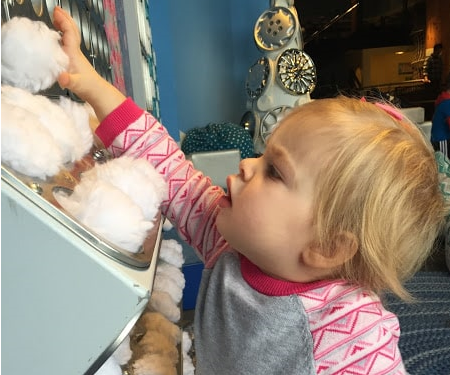
7) Sassy Wonder Wheel Activity Center has a suction cup base that attaches flat surfaces. Babies love to spin the wheel, watch the wheel move, and hear the sound it creates. They enjoy touching and poking multiple textures on the wheel. Easy to bring along wherever you might go and capture the baby’s attention when needed.
8) Bright Starts Light & Learn Drum with Melodies is well-loved by babies. Babies love tapping on the drum with both hands and enjoy hearing songs and looking at lights. The drum engages children to “dance” and “sing.” The child will enjoy playing with the toy drum for a long time.
9) Fat Brain Toys Tobbles Neo has six uniquely designed stackable spheres. Children can stack, nest, topple, spin, and engage in creative play. Vividly colored spheres are all different sizes, which helps with grip control and problem-solving skills.
10) Sassy Stacks of Circles Stacking Ring STEM Learning Toy offers various textures, colors, and sounds. Stacking circles promotes grasping and hand-eye coordination. Initially, children enjoy the sensory exploration of different rings. Later on, they learn to sort, sequence, and build.
Based on personal and professional experience, I found all these early toys engaging, exciting, and motivating for most of the infants.
If you enjoyed this list of Toy Gift Ideas for Infants, please share it with a friend!
*Kids Groove and Grow is a participant in the Amazon Services LLC Associates Program, as an affiliate advertising program designated to provide means for sites to earn advertising fees by advertising and linking to Amazon.com.
Play is an essential job for children. Playing with age-appropriate toys provides children opportunities to develop different skills. Selecting the right toy to help your child learn and grow while having fun is crucial for a successful purchase.
Pediatric occupational therapists are experts in engaging children in play and recommending skill-appropriate, age-appropriate, and motivating toys. When children play and interact with properly selected toys, they learn new skills, gain confidence, and expand creativity.
“Play allows children to use their creativity while developing their imagination, dexterity, and physical, cognitive, and emotional strength. Play is important to healthy brain development. It is through play that children at a very early age engage and interact in the world around them.” (Ginsburg, 2007)
Many parents often ask me for toy recommendations for their young children. Specific age and skill-appropriate toys that support cognitive and physical growth, engage the imagination, and provide enjoyment. There are millions of toys out there. Parents have a challenging time narrowing down which toy will give their child the developmental benefits.
Additionally, the categories of toys are endless! In this article, I will focus on educational toys that enhance fine-motor development. In other words, toys that help little hands grow in a fun and engaging way and increase hand and eye coordination.
Undoubtedly, through my two decades of working with young children, I have had the opportunity to try out a great multitude of toys. Therefore, I have created a toy list to help parents navigate through the saturated toy market. I have only picked ten toys per age group and I have thoroughly assessed the toy benefits based on age, appeal, safety, and durability.
Furthermore, I have examined if a child can play with the toy in multiple ways, if the toy appeals to several senses, promotes problem-solving, and boosts imagination. Most importantly, does the toy include ways for children to use their hands and fingers to help build the small muscles and coordination?
Please explore age-appropriate toy recommendations.
Kenneth R. Ginsburg, and the Committee on Communications and; and the Committee on Psychosocial Aspects of Child and Family Health. The Importance of Play in Promoting Healthy Child Development and Maintaining Strong Parent-Child Bonds. Pediatrics January 2007.
*Kids Groove and Grow is a participant in the Amazon Services LLC Associates Program, an affiliate advertising program designated to provide a means for sites to earn advertising fees by advertising and linking to Amazon.com.
Hand strength is essential to complete all types of everyday tasks. It refers to the power and force generated with the small muscles of the hands and fingers. Children need sufficient hand strength to play with toys, press buttons, and switches, build with various materials, manipulate and grasp tools and utensils. Hand strength affects academic and personal accomplishments when precise hand movements are required for more advanced tasks such as cutting, writing, typing, and self-care activities.
Hand strength is also known as fine-motor strength and grip strength.
Adequate hand strength is necessary to push, lift, carry, and manipulate objects with fingers or the entire hand. Precision strength involves thumb and fingers to hold and maneuver objects. Whereas, power grip engages the whole hand to control objects. The frequent interplay between precision and power control is typical, depending on the activity.
“Small objects are generally held in a precision grasp primarily because of the large amount of sensory feedback available through the fingertips and the control that can be used to move them. Medium objects may be held with either pattern, and large objects are held with a power grasp.” (Case-Smith, 2009)
Infants begin to develop hand strength during the first year of life. The refinement of fine-motor strength continues through the preschool and early school years. Preschoolers need a multitude of hands-on opportunities to develop good hand strength.
Children with weak hands may demonstrate challenges when:
Lifting, pushing, pulling, and carrying weighty objects.
Pressing resistive buttons and switches.
Opening and closing containers.
Screwing/unscrewing, turning, twisting, winding, spinning, crumpling, and folding tasks.
Grasping, holding, and manipulating tools and utensils (fork/spoon, pencil/crayon, and scissors).
Endurance when sustained grasp or use of the object is required against resistance.
Using a sufficient amount of pressure for coloring and drawing.
Self-care tasks such as clothing management and fastener manipulation (zippers and buttons).
Children with weak hand strength often use their whole hand to pick up and manipulate objects rather than fingers. They usually have difficulty maintaining objects in hand, appear to hold objects loosely and have a tendency to drop things. Controlled grasping and releasing of objects may appear clumsy. Children who might have potential underlying hand strength deficits generally avoid fine-motor tasks. They often dislike lengthy and complicated activities that involve precise and coordinated hand movements their peers thrive and enjoy.
10 Hand Strength Activities
Squeezing Activities (Stress Balls)
The squeezing movement develops hand strength. Designing child-friendly activities that involve applying pressure on a variety of child-friendly materials will improve hand power. Some of the tasks include squeezing: glue bottle, spray bottle, paint bottle, glitter bottle, icing tubes, sponges, cloths, newspapers, turkey baster, eyedroppers, hole puncher, clothespins, squeeze toys and stress balls.
Hands-on activities that provide texture enrichment and resistance for molding, rolling, kneading, pinching, poking, and manipulating influence hand strength. Most popular materials include playdough, slime, and clay. In addition, toddlers and preschoolers enjoy exploring other fun textures like kinetic sand, and slimy sand. Sculpting and creating innovative designs enhances hand control.
Animal walks are fun and imaginative activities that promote gross and fine motor development. Children pretend to walk like different animals, burn off energy, and work on strengthening their bodies. Animal walks that encourage strong arms, wrists, and hands are excellent exercise for hand strength. Movements that promote body weight for resistance, such as bear walk, seal slide, crab walk, dog crawl, and wheelbarrow walk, are especially beneficial for hand development.
Blocks and Manipulatives
Playing with resistive blocks and manipulatives helps develop the small muscles of the hand and fingers. Pulling blocks apart, pressing blocks together, and innovative building contribute to hand strength. Some examples of resistive blocks include unifix cubes, bristle blocks, Duplo’s, and Legos. Some of the fun preschool manipulatives include interlocking discs and flex puzzles.
Functional strength tasks can be easily incorporated at-home routines. Assisting with door opening, closing, and holding (at school having the door helper) is a natural way to approach hand strength. Children might help carry groceries from the car, pick up weighty toys, and rearrange cans in the pantry. Kids love to assist in the kitchen. Mixing and forming cookies, rolling and kneading pizza dough, and pouring milk in a glass, require significant muscle control. Similarly, loading and unloading laundry, pushing, pulling, or carrying big basket will boost the child’s hand strength.
Crayons
Introducing toddlers and preschool to exclusive crayon drawing and coloring is the best decision parents and educators can to do to incorporate natural hand strengthening. Using crayons creates natural resistance, and children need to exhibit an appropriate amount of pressure to color. Coloring and drawing with crayons require more hand proficiency than using markers. Crayons are the best early childhood writing tool.
Gross Motor Activities
The big muscles develop first and provide a foundation for our small muscles to build. When the big muscles are strong, a solid base is set for the little muscles to grow. Shoulder strength, coordination, and stability will support forearm, wrist, and hand development in children. Toddlers and preschoolers need to spend ample time jumping, running, climbing, catching, throwing, and digging, sliding, and swinging for healthy hand strength development. Read more Why are Gross Motor Skills Important for Fine Motor Success.
Theraputty
Theraputty (Therapeutic putty / Therapy putty)is a resistive hand exercise material used to strengthen weak hands and fingers. Colors represent resistance levels, beginning from extra soft putty for strengthening the weak grasp to soft, medium, and firm putty for developing a stronger grip. It has a smooth and fun texture. It is a highly preferred activity for preschoolers. They enjoy pulling, pressing, pinching, kneading, and molding putty into shapes, letters, and inventive formations. Playing and creating with theraputty is a great way to increase a child’s hand strength.
Theraband (Therapeutic band / Therapy band) is another resistive material, which improves arm and hand strength. Theraband refers to elastic bands that are color-coded for resistance levels. Bands exercises are fun and motivating. Children can use them while sitting and standing, and they can pull and stretch in various directions, pretend to be characters, and create their actions. Children grip bands firmly to stretch and hold. Incorporating bands in engaging exercise routines will help children build upper extremity strength and consequently improve hand muscle strength.
As an occupational therapist, I also like to use hand-strengthening exercisers to target hand and finger training. Hand exercisers are designed to increase the strength of fingers, wrists, and forearms. Individual fingers can be isolated. Developing thumb, index, and middle finger strength are generally targeted with children for improved writing tool control. Many hand exercisers are color-coded to indicate resistance difficulty levels.
Children need a sufficient amount of hand strength to complete everyday activities. Little muscles of the hand develop as children participate in regular play. As parents, teachers, and therapists, our quest is to expose, provide, and engage children in meaningful and exciting hands-on tasks. Toddlers and preschoolers benefit from daily activities that involve working against resistance to improve their hand strength. Please try some of my recommendations to strengthen your youngster’s hands today!
If you enjoyed this article, please share it with a friend!
*Kids Groove and Grow is a participant in the Amazon Services LLC Associates Program, as an affiliate advertising program designated to provide means for sites to earn advertising fees by advertising and linking to Amazon.com.
Every preschooler’s developmental toolkit should include scissor skills. Cutting with scissors is a big part of early childhood education. Children learn to hold scissors correctly and practice cutting for successful skill progression. Mastering cutting skills improves a child’s confidence and performance.
Cutting is a complex skill that takes several years to develop. If a preschooler has specific challenges that make it difficult to coordinate scissor movements, the child might require additional support to achieve success. Before children demonstrate proficient scissor skills, they need to have plenty of opportunities to use their hands and fingers.
Picking up small objects with thumb, index, and middle fingers (i.e., coins, pegs, marbles, and beads).
Picking up small objects with tongs, tweezers, scoopers, and strawberry hullers.
Use hole puncher paper to lace the string towards a specific spot.
Creating art with an eyedropper and turkey baster.
Fingerplays and songs, hand and finger puppets.
Playing with resistive manipulatives and textures requires finger pressure control, such as block play, putty, play dough, clay, and rubber bands.
Throughout early childhood education, children continue to participate in many fine-motor activities. However, children require proficiency in various foundational skills to have a strong foundation for scissor readiness.
Picking the Right Types of Scissors
How do we choose the right scissors for our child? There are many different types of scissors. Children need small scissors that are easy for little hands to grasp and manipulate. In addition, assessing a child’s hand proficiency is important to determine. Whether the child is right or left-handed, to do so, watch your child work on fine motor tasks.
Commonly Used Child Scissors
Safety Scissors / Training Scissors
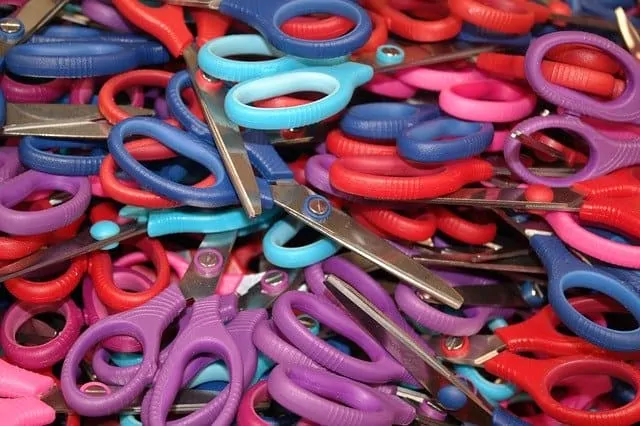
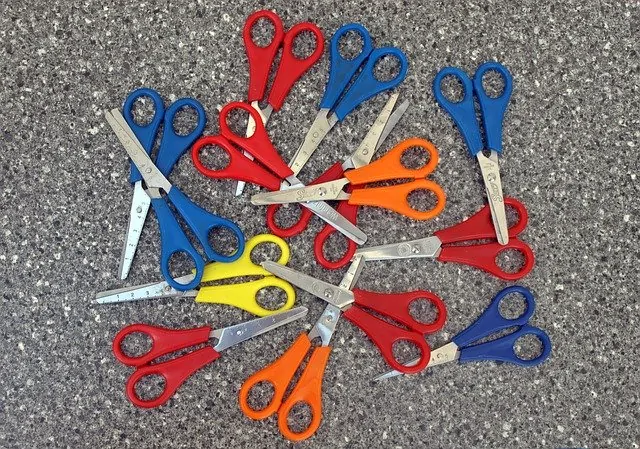
Successful scissor skill development starts with safety scissors. Safety training scissors have rounded tips and blunt blades. These types of scissors cut paper only and will not cut skin, hair, or clothing. The training scissors have plastic blades or might have dull metal applied. The bottom loop has more space for comfortable finger placement and control, and some scissors offer single-finger loops. This pair is the right choice for beginners.
Safety Scissors
Safety Scissors with Training Lever
This option offers the same features as the safety scissors, with an additional training lever that opens the blade after each use. It helps children open and close scissors. The training lever can be disabled for standard scissor use. This pair is an excellent choice for novices.
Safety Scissors with Training Lever
Small Preschool Stainless Steel Scissors
Stainless steel scissors have rounded tips. They are sharp and offer improved cutting performance for various art media. Some scissors offer ergonomic designs, such as a non-slip textured soft grip on the finger loops. For safety, children need supervision when cutting with stainless steel scissors, especially during the critical transition from safety scissors. These scissors are ideal for older preschoolers, generally ages four and up. We want to make sure we consider left-handed scissors for our dominant left-hand students.
Preschool Stainless Steel Scissors
Preschool Stainless Steel Scissors with Training Lever
Stainless steel scissors with training levers, also known as Koopy Spring Scissors, offer the same features as the small stainless scissors but with additional self-opening springs to assist the cutting performance. The spring can be disabled for standard scissor use with an easy flip. This pair of scissors is the 2-in-1 deal, standard and self-opening, for ages four years and up.
Stainless Steel Scissors with Training Lever
Easy-Grip Scissors
Easy-grip scissors are adaptive scissors with easy hand placement and easy squeeze. There are no loops for correcting finger placement. Loop scissors are excellent for students with hand weakness and fine-motor coordination challenges. These scissors also open automatically after each cut for improved control. Loop scissors come in small sizes for preschoolers and regular sizes for older children. Also, left-handed loop scissors are available for older kids.
Easy-Grip Adaptive Scissors
Be forewarned, these scissors are sharp. Adult supervision is required. Loop scissors are perfect for children who struggle with cutting or need more time to learn to cut.
A long list of adapted scissors is designed for children with specific needs. An occupational therapist prescribes individual recommendations of specialized scissors.
Supplying the right type of scissors will determine engagement, participation, and success in cutting activities. As an occupational therapist who worked with a significant number of children, I would recommend having a variety of different pairs of scissors available in the classroom and at home. Starting with the safety scissors and progressing to stainless steel as children become comfortable and demonstrate improved scissor manipulation.
Scissor Safety Rules
We need to educate our little ones on scissors safety rules. Furthermore, we must continually remember and review our rules for cutting with scissors.
Scissors are sharp.
We need to be cautious and responsible when using scissors.
Scissors are tools, not toys.
No running with scissors. We use scissors at the table.
Adult supervision is required when using scissors.
Correct Scissor Positioning
Equally important is educating and demonstrating proper scissor positioning for young children.
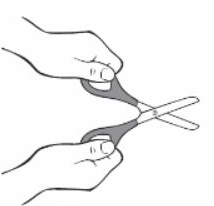
Talk about cutting hand and helper hand
Cutting hand is for holding and cutting with scissors
Helper hand is for holding and turning paper (for shape cutting)
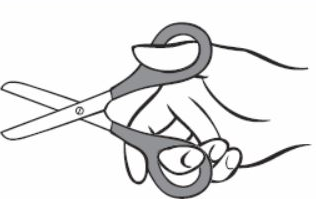
Cutting hand
Tuck your elbow to the side
Keep your thumb on top / thumb-up position
The index and middle fingers go in a large loop
If the scissor loops are the same size, the middle finger goes in the bottom loop, and the pointer finger is outside next to the bottom loop.
Cut forward / cut away from the body
Helping hand
Hold the paper with your thumb on top
Initially, children might need help with paper and will hold the paper with a thumb down position.
Choosing Cutting Materials
Beginning Stage for Scissor Use
Children enjoy snipping small pieces of paper in the beginning stages of cutting. For this activity, short strips or small pieces of paper are ideal. In addition, thicker paper is more manageable for young children to hold and snip. Good choices include construction paper, stock paper, and old birthday cards. Additionally, creative and straightforward textures are fun for youngsters to use when experimenting with snipping. For example, play-dough, straws, cooked spaghetti, slime, shredded paper, nature items, and more.
Intermediate Stage for Scissor Use
Children learn to cut on short, thick lines at the intermediate stages of cutting. Then, they advance to cutting along long lines across the paper. Preschoolers enjoy building proficiency in cutting skills. Working with paper and a variety of art media. Media include textured paper, regular paper, thin paper, strings, tape, ribbons, and more. Children manage full-sized pieces of paper.
Advanced Stage for Scissor Use
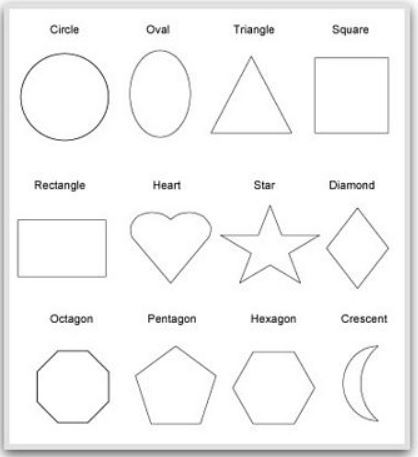
At the advanced stages of cutting, children can skillfully cut basic shapes out of regular paper. Older preschoolers and kindergartners primarily advance their cutting skills working with paper. Indeed, they continue to enjoy working with an assortment of art materials. However, the precision and coordination to cut out shapes accurately mostly involve paper.
Summary
In short, cutting with scissors is a complex fine motor skill. It involves the small muscle movements of the hands and fingers in coordination with the eyes. Unfortunately, scissor skills are often overlooked, and young children struggle with the ability to cut effectively. Preschool children require a multitude of fun scissor practice to strengthen hand muscles and coordination for later skills, such as writing, typing, sports, and instrument play, to name a few.
Thus, when teaching skills to preschoolers, we need to focus on the following:
Providing opportunities for pre-cutting skills practice.
Picking the right type of scissors.
Scissor safety education.
Correct scissor positioning.
Providing appropriate materials with just the right cutting challenges.
“Two fingers on the bottom and the thumb on top, open the mouth and go chop, chop, chop.”
If you enjoyed this article, please share it with a friend!
*Kids Groove and Grow is a participant in the Amazon Services LLC Associates Program, as an affiliate advertising program designated to provide means for sites to earn advertising fees by advertising and linking to Amazon.com.
Cutting with scissors is an essential milestone in early child development. Cutting is a complex skill that takes several years to develop. It might be challenging for some children to coordinate scissor movements without ample early childhood opportunities.
As an occupational therapist working with preschoolers, I am keenly aware of the high percentage of kids entering preschool with limited scissor cutting experience. The problem is exposure. While safety concerns around scissors are entirely warranted, there are responsible ways to introduce this activity to children.
Beginning at ages 2 and 3, children are ready to explore cutting with scissors. The first step involves using safety scissors. These scissors are small and easy for little hands to grasp and control. In addition, safety scissors are dull and can only cut paper. They will not cut hair, clothes, or skin.
Safety Scissors
First, toddlers acquire the necessary skills and then build on these skills to learn advanced parts of the cutting tasks. Positive experience with developmental steps of cutting stages will result in continued interest in future cutting progressions.
It is important to take it slow. If children are expected to complete cutting activities that do not fit their developmental profile, they will become frustrated and disinterested in cutting tasks. For example, we can’t expect a preschooler to cut on a line if he/she doesn’t know how to pick up and hold scissors. Therefore, it is essential to assess the child’s developmental cutting stage, and then provide opportunities for practice at the child’s current level of performance.
Before we dive into the developmental stages of scissor cutting in children, we must talk about the benefits of cultivating proper cutting skills in preschoolers.
Why is cutting with scissors important for child development?
Using scissors in preschool helps develop fine-motor skills. Cutting with scissors requires an opening and closing motion of the hand, which improves finger dexterity and strengthens small muscles of the hand. These skills are fundamental for grasping pencils, writing, manipulating educational materials (i.e., art media, games, small tools/objects), and precision tasks (i.e., building with Legos, fastener manipulation, playing instruments).
Cutting practice gives children a chance to work on bilateral coordination. Bilateral coordination is the ability to use both sides of the body in a controlled and organized manner. In cutting tasks, each hand performs different movements. The assistant hand-holds and maneuvers the paper, while the dominant hand manipulates the scissors to perform the cutting action.
“The mature stage of bilateral hand use, which is the ability to use opposing hand and arm movements for highly differentiated activities such as cutting with scissors, begins to emerge at about 2 ½ years. Patterns from each stage of bilateral hand use are applied and refined through different activities throughout the child’s development.” (Case-Smith 2009).
Hand-eye coordination is another necessary skill that improves during cutting activities. A child’s eyes direct attention to the hands to complete the task. The eyes and hands work together to organize and control successful cutting tasks. Hand-eye coordination is a critical component of skill-acquisition. Most people attribute hand-eye performance to sports, but it is equally essential to academic activities, like handwriting, reading, and more.
Cutting activities also promote focus and attention. Carefully maneuvering scissors, children learn to concentrate for extended amounts of time. The engagement of higher-level brain functions helps kids filter out classroom distractions, leading to the completion of meaningful tasks. Preparing young minds to work on tasks that require prolonged attention and effort, such as cutting, will lead to academic success.
Prerequisite Skills for Success in Cutting with Scissors
Let us assess child’s skills to determine if she/he is ready to learn how to use scissors.
Open and close motion of the hand. Grasp and release objects voluntarily (i.e., pick-up, hold, and let go of crayon/fork).
Use hands together in a dominant-assistant manner (i.e., holding a small container and inserting coins into the container, peeling banana).
Isolate and/or combine the movement of the thumb, index, and middle fingers.
Coordinate arm, hand, and eye movements.
Demonstrate awareness, interest, and focus on learning new skills.
When children attain the skill components, as mentioned above, it means they show readiness to begin their scissor cutting exercises.
Developmental Stages for Cutting with Scissors
1 – 2 years old:
Holds scissors with the whole hand
Demonstrates interest in scissors.
Holds scissors with both hands, and uses both hands to open and close scissor blades.
Experiments with placing fingers in loops.
2 – 3 years old:
Opens scissors
Learns how to open and close scissors. Thumb in the top loop and middle finger in the bottom loop, index finger placed next to the bottom loop.
Holds paper with a helper-hand and manipulates scissors with the dominant hand.
Snips paper cuts paper in 1 place.
Snips paper in random places.
Begins to cut in the forward direction.
3 – 4 years old:
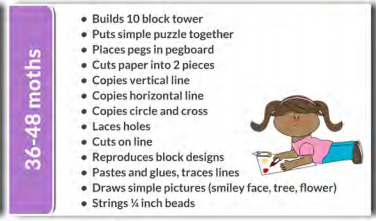
Cuts paper into two pieces.
Cuts on a thick straight line.
Demonstrates increased control with opening and closing scissor blades.
Begins to use the helping hand to turn the paper while cutting.
Initiates cutting along curved and angled lines.
4 – 5 years old:
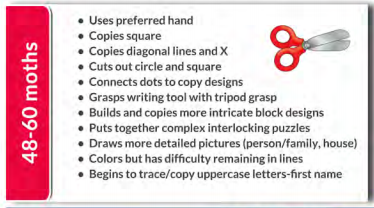
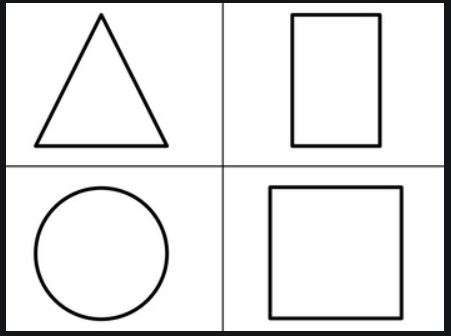
Cuts out geometric shapes such as square or rectangle, triangle, semicircle, and circle.
Cuts out simple outlined figures.
5 – 6 years old child;
Cuts out intricate shapes with accuracy
Cuts out non-paper forms.
Summary
Cutting with scissors is a sophisticated skill. As adults, we take it for granted. Preschoolers need regular cutting activities throughout their education to become proficient with scissor use. Children need to be instructed and supervised when they are learning how to cut with scissors. It is crucial to assess a child’s cutting abilities and present appropriately designed cutting activities. As parents, teachers, and therapists, it is our job to provide positive and motivating learning experiences to our children. Let’s make cutting with scissors fun!
If you enjoyed this article, please share it with a friend!
References
Case-Smith, J. (2009). Occupational Therapy for Children.
*Kids Groove and Grow is a participant in the Amazon Services LLC Associates Program, as an affiliate advertising program designated to provide means for sites to earn advertising fees by advertising and linking to Amazon.com.
Teaching correct pencil grip to preschoolers is a necessary role of early childhood educators. As an early learner, using our hands and fingers effectively is an essential skill and it continues in life in various ways. Correct pencil grip is a crucial skill that kids need to develop in order to be successful students. Before our little ones start writing letters and numbers, they need to develop the small muscles of the hands and fingers to withstand lengthy writing assignments. A functional grasp of any writing tool is essential for writing confidence and success.
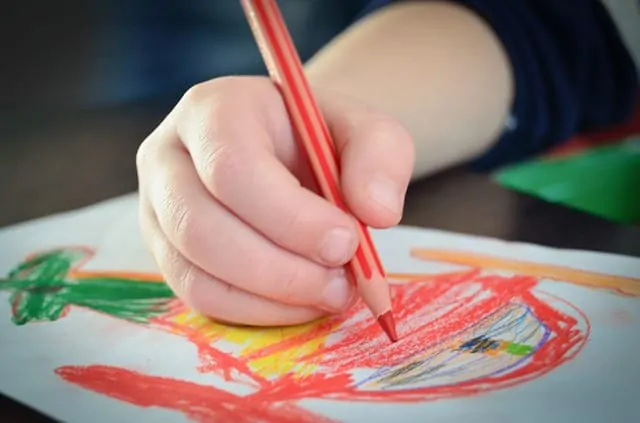
Typically, between ages three and five, children will demonstrate readiness to grasp a pencil effectively. A correct pencil grip is one that allows the most finger movement, and the least strain on the muscles of the hand. These are fundamental qualities when learning to draw, color, and write.
Grip Development
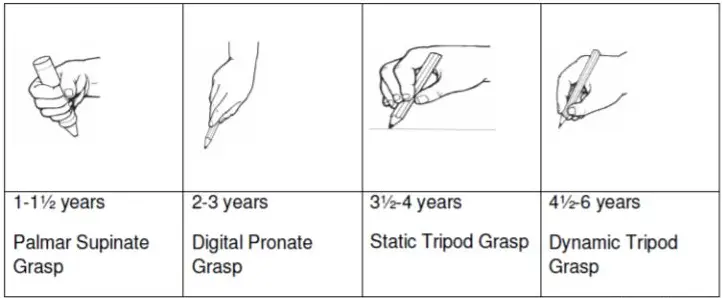
(Erhardt, 1994)
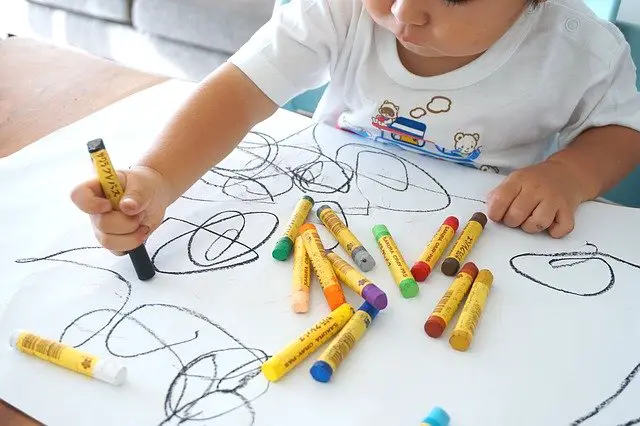
Generally, the development of pencil grip in young children follows a predictable routine in typically developing children. Children between ages one and one-a-half begin holding a writing tool with their whole hand. Later, between the ages of two and three, children hold a crayon with the palm facing down (pronation) and use the shoulder to move the crayon. Around age three, children start to use a more mature finger grasp on a pencil.
Whole Hand Grip (Palmar Supinate)
Preschoolers around three to four years old demonstrate a static tripod grasp. Tripod grasp is a 3-finger grip. The child holds a pencil with pads of his/her thumb and index fingers while the pencil rests on the side of the middle finger. The ring and pinky fingers are tucked into the palm for stability. The movement for drawing comes from the hand and wrist, while the fingers remain firm and static. The elbow and forearm progress slowly from moving freely in the air to resting at the table for support.
Static Tripod Grip
By the age of six, the pencil grip is mature and fully developed. The most sophisticated and efficient grasp is a dynamic tripod grasp, and most adults use it. It is a 3-finger grip. The thumb and index fingers control the pencil while it rests on the side of the middle finger. The index and thumb form an open circle (webspace) while grasping the pencil. The ring and pinky fingers are tucked into the palm. The movement for drawing and writing comes from the thumb, index, and middle fingers. The forearm and wrist rest on the table for support.
Dynamic Tripod Grip
Pencil Grip Research
As parents, educators, and therapists, we must teach and monitor preschoolers on how to hold pencils correctly. Most kids will demonstrate a natural fine-motor ability to hold crayons properly. However, some children will need help learning how to hold a crayon functionally. Many young children might exhibit immature, awkward, or fisted grips and require an adult’s assistance to correct pencil grasp and introduce good habits.
For example, a research study on the developmental progression in pencil grips investigated 326 Taiwanese children aged 2.5 to 6.4 years finds:
“A developmental progression was noted, and 14 grip patterns were identified. About half of the 3- to 3.4-year old children were able to employ a mature grip when drawing in a 7.89 cm x7 cm box. By the age of 4, about three-fourths of the children were able to use mature grips to draw. For children aged 5 years and older, the percentage increased to more than 90%.”
A study conducted by Schneck and Henderson investigated the developmental grip progression of typical American children aged 3.0 to 6.11 years. Research suggests that Taiwanese children 3.5 to 5.9 years of age are more advanced than American children of the same age.
“Forty-eight percent of the youngest group used mature grips, compared with 90% of the oldest children.”
Another research study completed by Schneck suggests that first graders with handwriting difficulties demonstrate a less mature grip as compared to the first graders without handwriting problems.
To learn if your child is ready to write letters please click here.
Importance of Teaching Correct Pencil Grip
Regardless of developmental progression in pencil grip advancement between Taiwanese and American children, the pencil grasp in young typically developing children follows a predictable sequence. Studies suggest that about 90% or more of young children will develop a mature pencil grip. However, the correct pencil grip has to be taught to all children. Undoubtedly, about 10% of our children will need additional time and instruction to demonstrate the proper crayon grip. Children with delays and learning challenges might need direct specialized instruction and individualized strategies to master the correct pencil grip.
Preschool Pencil Grip Teaching Strategies
Demonstrate correct grip
Teach the name of the fingers and use consistent terminology (i.e., thumb, pointer, and tall man)
Review placement of the fingers on the writing tool
Physically correct pencil grip if a child has difficulty self-correcting
Practice proper grip before coloring and drawing tasks
Drop and pick up a pencil a few times to increase finger placement practice
Use small writing tools
Short and broken crayons are the best and ideal writing tools for little hands, as they create natural resistance for increased hand strength
Golf-size pencils, which are short are more comfortable for small hands to manipulate
Short chalk
Rock-shaped crayons and chalk
Small markers
Encourage the use of the vertical surfaces, such as easels, to promote wrist movement for increased pencil grip control
If a child has difficulty tucking ring and pinky fingers into the palm while holding a crayon, place a pom-pom, cotton ball, or small bead for the child to hide with these two fingers.
Short chalk for small hands
Therefore, early childhood is a crucial time for fine motor skills that require new dexterity levels and take several years to develop. Activities that translate into significant growth for efficient finger grasp on writing tools are tasks that encourage in-hand manipulation, finger isolation, precision, and coordination. Furthermore, the ability to use different amounts of pressure and developing strength in wrists, hands, and fingers are critical components for functional and correct grip success.
Quick Preschool Pencil Grip Activity List to Enhance Grasping Skills
Pick up small objects with fingers (sorting coins, beads, buttons and more)
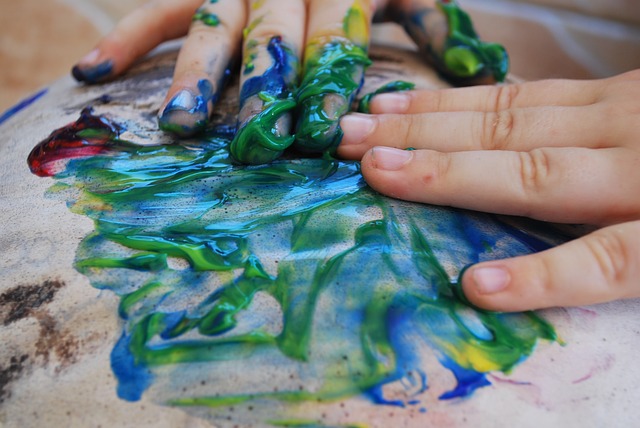
Tactile awareness activities (explore textures like finger paint, shaving cream, glue and more)
Squeeze and manipulate (spray bottle, clothespins, sponges, etc.)
Fingerplays and songs
Manipulate switches, latches, keys, handles, nuts, and bolts.
Open and close lids, twist/untwist
Wind-up toys and spinning tops
String and lace
Play with play-dough, clay, and putty.
Pick up small items with tweezer and tongs.
To learn more about fine-motor preschool activities please click here.
Children are required to develop a combination of skills that contribute to correct pencil grip. It is crucial to teach our preschoolers how to grasp writing tools efficiently. Children benefit from specific lessons on how to demonstrate an appropriate pencil grip, and should not be expected to learn it independently. By providing teaching strategies and monitoring crayon grip during early childhood, children will create good habits for efficient grip patterns. Consequently, the pencil grasp will be mastered and will become unconscious. A child will feel confident and prepared to undertake demanding writing tasks. Conversely, a child who demonstrates immature or awkward grasp patterns might result in fatigue, frustration, and lack of confidence when tasked with written assignments. As parents, educators, and therapists, we need to focus on building correct pencil grasps right from the start!
If you enjoyed this article, please share it with a friend!
References
Schneck, C., and Henderson, A. (1990). Descriptive Analysis of the Developmental Progression of Grip Position for Pencil and Crayon Control in Nondysfunctional Children.
Schneck, C. (1991). Comparison of Pencil Grip Patterns in First Graders with Good and Poor Writing Skills.
Tseng, M. (1998). Development of Pencil Grip Position in Preschool Children.
Nature play, exploring outside, and engaging in outdoor adventures are activities that provide endless benefits for child development. Connecting with nature has an enormous positive impact on a child’s growth, as does disconnecting from technology. Excessive screen time and video games remove the opportunity for children to bond with the natural world around them. Going outside to chase butterflies, jump in puddles, and dig in the mud will grow happy, healthy, and curious children.
Let’s look into the compelling advantages of nature play and how it inspires blossoming child development.
The more risks you will allow your children to take, the better they learn to take care of themselves. -Roald Dahl
Physical Development
Nature Play Promotes Large and Small Muscle Strength
Through play, children naturally develop gross motor and fine motor skills. Play also improves endurance, balance, coordination, strength, and agility. Children create games and challenge themselves. How fast can I run? How far can I throw a rock? How high can I climb the tree?
Running in the woods, jumping over natural obstacles, climbing a steep peak, lifting, and pulling logs -fun activities that create endless opportunities to enhance physical strength. Walking carefully on a fallen tree in the woods improves balance. Stepping over a spearing branch while staying safe and stable on one foot is a coordination and balance competence.
Similarly, playing and manipulating small nature items helps develop the small muscles of the hands as well as hand-eye coordination skills. Building and inventing nature designs with rocks, sand, seeds, sticks, leaves, and cones leads to hand skill development in a natural and enriched way.
The mud will wash off but the memories will last a lifetime.
Freedom
Nature Play Allows Children the Ability to Act without Constraint
Children feel powerful and independent when they are in a natural environment. They feel released from the confined space of the classroom. The natural world is free from rules, formal instruction, pressure, and expectations. Playing freely, children use their imaginations to interact with the natural environment. The nature play is unstructured, unbiased, and completely uninhibited. Kids are free to take healthy risks, explore the unknown, and learn about new exciting wonders.
Little ones value the uninterrupted experience with nature. In other words, they enjoy making mud puddles, throwing rocks in the lake, walking, and exploring the woods. Kids are content when playing in nature, free from formal expectations. Consequently, they become completely absorbed in their free play and do not want to end their interaction with the natural world.
We must teach our children to smell the earth, to taste the rain, to touch the wind, to see things grow, to hear the sunrise and nightfall – to care.
-John Cleal
Natural Sensory Experience
Nature Play Provides Ultimate Sensory Connection
Playing in nature engages all the senses. The natural environment is the ultimate place to stimulate learning and creative play. There is so much to touch, see, hear, taste, and smell.
Children explore by touching different textures like mud, sand, water, dirt, seeds, leaves, rocks, tree bark, grass, flowers, sticks, logs, and pinecones. Feeling raindrops, wind, and sun on your skin are sensory experiences that can only happen outside.
Kids get excited when they see animals or insects. They naturally appreciate seeing and chasing after flying butterflies, leaping frogs, running lizards, or swimming fish. Similarly, they observe moving clouds, see trees that are dancing to the wind, and capture beautiful natural colors all around, it creates a serene feeling.
Listening to the chirping birds, falling waterfall, whistling wind, and crashing waves nurture the sense of hearing. Tasting freshly picked berries, smelling flowers, and freshly grown herbs in your garden is a pure joy to a young child.
Altogether, outdoor sensory experiences nourish a child’s learning, play, appreciation, and love for nature.
Sensations have a powerful impact on a young child and provide meaning to the experiences, please click here if you would like to learn more.
Kids don’t need to be shown how to connect with nature. It’s ingrained in their DNA. The real key simply is to take them outside and let them do what comes naturally. – Scott D. Sampson
State of Zen
Nature Play Encourages Intuitive Child Engagement
Children are fascinated by nature. When children engage in playing in nature, they often enter a state of calm, happiness, and enjoyment. The coherence of the body and mind creates the ultimate inner peace. The focus of a child’s actions is guided by intuition rather than by conscious effort.
Above all, the child becomes lost in the beauty of their quest and creates unique thoughts and discoveries. Children feel free and confident to express their original ideas enriched by nature. Nature contributes to a happy and healthy development. The natural environment is soothing, relaxing, and healing.
The best education does not happen at a desk, but rather engaged in everyday living – hands on, exploring, in active relationship with life. – Vince Gowman
Cognitive Development
Nature Play Nurtures Thinking, Exploring and Figuring Things out
Nature inspires children to think, explore, and understand the world around them. As children observe, discover, and experiment with nature, they learn to problem-solve, communicate, and plan ideas. Children express thoughts and feelings as they generate new findings and connections.
Furthermore, they absorb the magnitudes of new concepts and new vocabulary by interacting with nature. They cultivate their sense of wonder, expand their interests, and creativity. Playing outside stimulates imagination and curiosity. The natural environment supports improved focus, attention, and concentration.
It’s a wondrous thing how the nature calms the child.
Social and Emotional Development
Nature Play Fosters Positive Relationships and Understanding of Feelings
Nature play with friends builds relationships, and fosters emotional well-being. Studies show that being in nature improves mood, reduces stress, and boosts health and confidence. When children interact with the natural environments, they learn how they feel, freely express themselves, cope with frustrations, and understand how to manage their emotions.
In addition, children spontaneously develop imaginative play skills and engage in creative teamwork. Unstructured time in nature supports social skills and cooperative interaction with friends. Children have endless opportunities to share ideas, negotiate, lead, and take turns. Young children learn about perspective-taking and conflict resolution. They also develop caring peer connections, as they experience the personalities and temperaments of others.
Slow down and enjoy the simple pleasures in life.
Natural World Value and Appreciation
Nature Play Inspires Beauty and Ethical Awareness
Teaching children about protecting and appreciating the beautiful world around us is crucial in early childhood. A positive environmental education will foster a lifelong sense of caring and gratitude for the conservation of natural beauty and living creatures. Children need abundant positive experiences with nature to develop a healthy relationship with the natural environment.
Most people spend at least 95% of their time indoors (Wilson, 2008). As a result, young children create unhealthy worries and fears and perceive nature unfavorably. Although there are elements of the natural world, we have reason to fear nature is not an absolute threat to our safety. It is normal to see a spider or a squirrel, an insect, or a deer. Children need opportunities to interact with nature in order to shape positive environmental beliefs, understanding, and an appreciation for nature. Raising ecologically sensitive children will result in happy and healthy childhood development.
Unfortunately, when children are deprived of positive experiences in the natural world, it can lead to upsetting results. Research confirms that deficits in outdoor-based play result in a significant increase in emotional and psychological disorders, decreased capacity to deal with stressors, and decreased physical fitness (FP Mainella, 2011). Therefore, the greatest gift you can give your child is a wealth of outdoor adventures.
Summary
In closing, children need frequent opportunities to spend time outside in the natural world. Free, enriched nature play fosters a sense of wonder, cognitive performance, physical health, and overall well-being. Connection to nature will contribute to a beautiful and healthy development. Just go outside and enjoy what our great earth has to offer!
If you enjoyed this article, please share it with a friend!
References
Mainella, F., Agate, J., and Clark, B. (2011). Outdoor-based play and reconnection to nature: A neglected pathway to positive youth development.
Wilson, R. (2008). Nature and Young Children. Encouraging Creative Play and Learning in Natural Environments.
When is a child ready to write letters? Expectations for kindergarten are continually increasing, it is not college yet, but sometimes it feels that way. Many parents get nervous about kindergarten and wonder if their child is ready to write. As an occupational therapist, I emphasize the development of a solid skill base before my preschoolers are expected to write.
Typically, a child is ready to trace and copy some letters at the age of 4. At the age of 5, the child generally has the foundational skills to expand writing skills. The necessary skills include proper pencil grasp, ability to draw prewriting strokes and simple pictures, and letter recognition.
If your child is a child who attended a structured preschool program, his/her teachers followed a fine-motor curriculum. If it was not a formal motor curriculum, your child unquestionably participated in tasks such as coloring, painting, and worked on adorable preschool art projects. She played with blocks, beads, pegs, puzzles, magnets, and other preschool manipulatives. Her little hands worked hard to lay the groundwork for successful writing.
Hand Dominance
It is important to have hand dominance for writing. When children are younger, it is reasonable to experiment with tasks with both sides of the body. However, around age 4, consistent hand preference should be apparent. When uncertain, watch your child. Which hand does she eat with, color, throw a ball, and zip a jacket? Skilled observation will help determine which hand is more efficient. When the hand dominance is decided, then encourage your preschooler to use the preferred hand for writing tasks.
Parents often ask me about a child being ambidextrous, and my answer always is that hardly ever anyone writes with both of their hands. In twenty years as an occupational therapist, I never met anyone who writes skillfully well with both hands. In fact, per literature, only 1% of people are naturally ambidextrous. More commonly, children who have mixed-handed characteristics, and do not have a clear hand preference by age 4, might demonstrate learning challenges. Predominantly, everyone has one hand that is more skilled and more efficient to execute legible writing.
Proper grasp on the writing tool
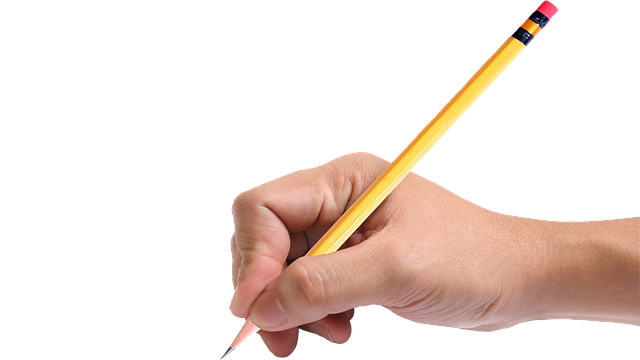
Proper grasping of a pencil is essential to have efficient handwriting. The most efficient and practical way to grasp a writing tool is a tripod grasp. Tripod grasp means that we hold a pencil between the pads of our thumb and index finger, and the marker rests on the first joint of the middle finger. Our ring finger and pinky are bent, stabilizing hand on the writing-table. Tripod grasp is the most desired grasp for useful handwriting, and children will advance in writing skills quicker with the proper pencil grip.
Proper grasp on the coloring pencil.
The critical aspect for a proper grasp is finger dexterity and hand muscle strength. Incorporating fun hand activities will assist with developing efficient grasping patterns. Some examples of such activities include;
picking up small objects with tips of fingers
kneading, rolling and poking play-dough
playing with resistive blocks
squeezing spray bottles
coloring with short crayons
animals walk to encourage strong hands and wrists, such as crab walk, bear walk, and wheel-barrow
There are several geometric shapes that children need to learn to draw before they are ready to write capital letters. As toddlers begin to scribble, preschoolers start working on controlled prewriting strokes. There are nine strokes and shapes needed to create letters, which include the following: vertical line, horizontal line, circle, plus/intersecting lines, square, diagonal lines -starting top left ( ), then starting top right ( / ), diagonal X, and triangle. Mastering all these nine prewriting strokes is a pre-cursor to successful letter writing. Another essential aspect to add is that we teach our preschoolers to trace copy and write uppercase letters first. Uppercase letters are easier to write; they are the same size and always start the top.
After preschoolers are sufficient with capitals, then we introduce lowercase letters. Some children are pushed too soon to write lowercase letters and form lousy writing habits. It is crucial to follow the developmental writing progression for a solid foundation and writing achievement.
Children are drawing simple pictures
Another pre-requisite to writing letters is the ability to combine prewriting strokes into simple representational drawings. Favorite preschool drawings start with a smiley face and emerge into self-portrait and family drawings. Drawing a house, flowers, trees, and animals are well-liked, as well. Children often start drawing from imagination. They also attempt to copy pictures from books and try drawing everyday objects from their environment. Drawing is a crucial skill that comes before writing. At times, parents often overlook the importance of pictures and jump straight into writing letters.
Letter Recognition
Another important aspect of determining if a child is ready to write letters is the ability to identify letters. All children are different and recognize letters at different ages. A child will know the letters in their name before learning additional alphabet letters. For writing to have any meaning to a child, they must first understand letter recognition. It is wise to emphasize learning letters of the child’s name first before expecting the child to copy or write. Some fun ways to incorporate letter learning is playing with letter puzzles and reading books. If the child does not understand what they are writing, they will become disinterested and unmotivated.
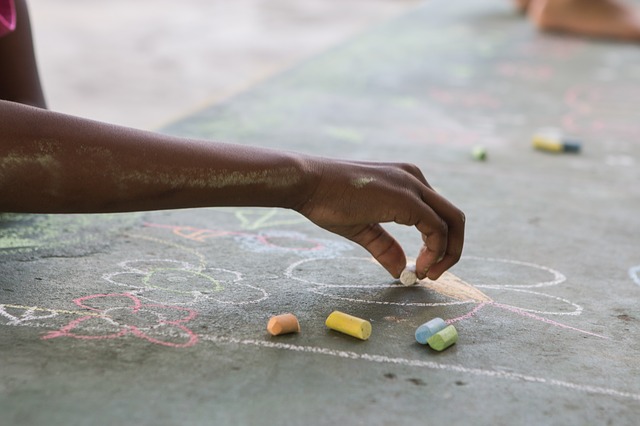
Participating in paper and crayon activities requires our kids to engage in the task and be willing to work on the intricate art of creating something meaningful. Ideally, for preschoolers, we would want at least 10 minutes of productive crayon and paper time. Slowly building up and increasing time is valuable. Our preschoolers must have frequent and regular time to transform their imagination on paper. It is essential to mention that cultivating concentration for crayon activities does not have to always done while sitting at the table. Encouraging prewriting skills might be done while laying on tummy on the floor, exploring with sidewalk chalk or paint, drawing at the easel, or even on the wall during bath with washable crayons. Little steps will create leaps in increasing attention span for writing tasks.
Prewriting Strokes and Drawing Development Stages
Toddlers (1-2)
Marks/dots paper
Random scribbling
Toddlers (2-3)
Controlled scribbling, linear and circular motions
Imitates vertical line, horizontal line, and circle
Preschoolers (3-4)
Copies vertical lines and horizontal lines
Copies controlled circles
Copies intersecting lines
Draws simple pictures such as; smiley face, tree, flower,
Preschoolers (4-5)
Copies square
Copies rectangle
Copies diagonal lines
Copies diagonal X
Drawing examples include; self-portrait, family, animals, cars, house
Kindergarten (5-6)
Copies triangle
Copies heart
Copies combined shapes
Drawings become more detailed and precise (i.e., eyelashes on self-portrait)
Summary
Preschoolers need a tremendous amount of fine-motor development opportunities before they are ready to write letters. Early childhood is the time when children discover, engage, and practice an ample amount of age-appropriate activities that will assist them in developing writing readiness. Toddlers and preschoolers explore with both hands before they establish hand-dominance and use proper grasp for writing. Copying shapes and expanding meaningful drawings takes a lot of practice and effort, which in turn will help with increased attention and motivation. A child with a rich preschool fine-motor and literacy experiences will blossom into a child who is set-up for writing success!
If you liked this blog post, please share it with a friend!